
Starting a Christmas tree farm is good part-time, seasonal work. Keep in mind it is a long-term commitment because the trees take up to six years to reach full maturity. This business requires planning before planting, and the need to offer additional services beyond selling Christmas trees. It does not require a lot of space to grow the Christmas trees, but you do need rich and deep soil in order for the trees to remain healthy.
Field
Soil test kit
Fertilizer
Tree seedlings
Business plan
Business loan
Business license
Business checking account
Accountant or accounting software

branch of pine-tree image by Maria Brzostowska from Fotolia.com
Find a location for the Christmas tree farm. Determine how many trees you want to plant in order to figure out the size field needed. Test the soil with a soil test kit or hire a professional.

branch of pine-tree image by Maria Brzostowska from Fotolia.com
Write a business plan to help keep your business on track, to show it to lenders, and to use when applying for grants. Get a business license and open a business checking account. Hire an accountant or purchase tax software to help understand tax laws and keep tax information organized.

branch of pine-tree image by Maria Brzostowska from Fotolia.com
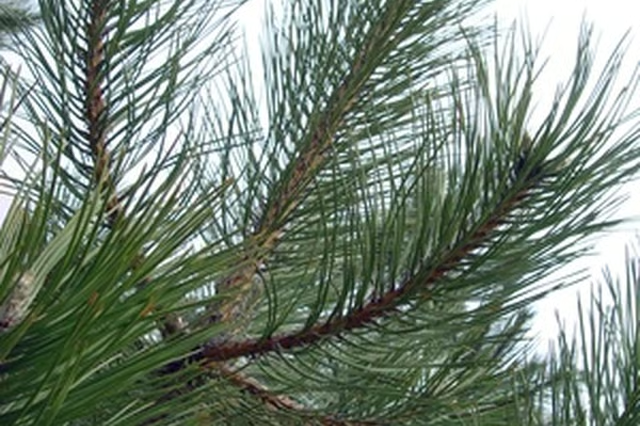
Figure out which types of pine trees grow best in your area. Purchase the tree seedlings and plant them. Be sure the soil is fertilized, well drained, and deep. Shear the trees in the spring to ensure they grow in the traditional conical manner.
branch of pine-tree image by Maria Brzostowska from Fotolia.com
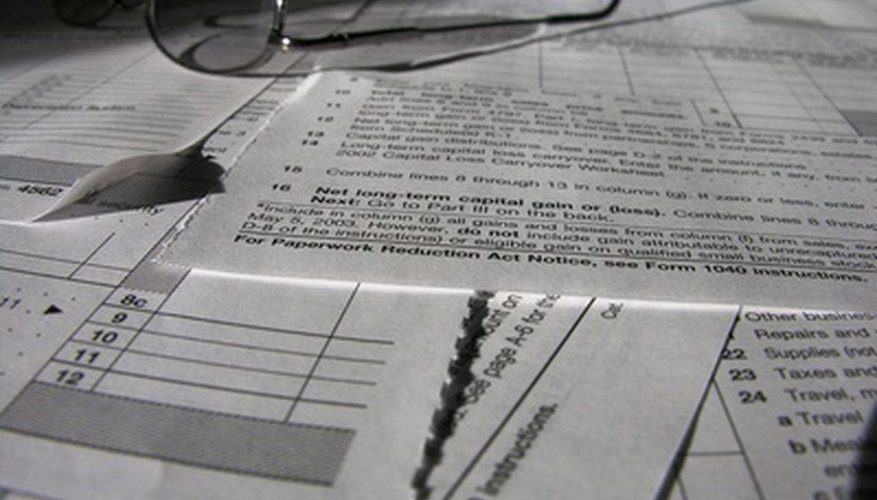
Tax implications for a Christmas tree farm fall under the “timber” in Chapter 11 of The Forest Landowners Guide to the Federal Income Tax. Important to the tax implications is the age of the trees. If the trees are greater than six years when harversted, they are considered timber in the tax code. Follow the IRS code Section 631 because a Christmas tree farm is considered a business. Christmas tree farms do not qualify for the reforestation tax credit.