


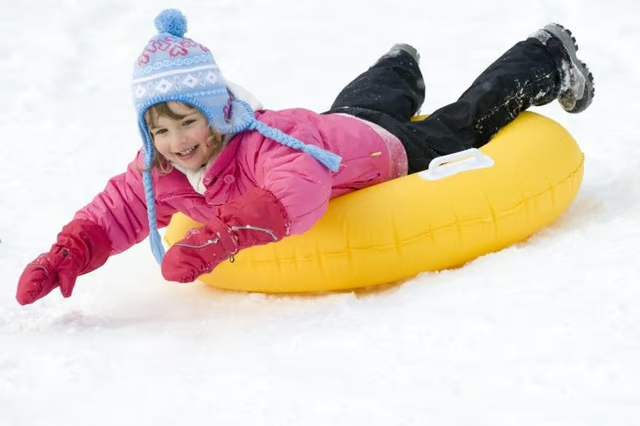
Snow tubing and sledding are great ways to stay active and enjoy a winter day. Wearing proper clothing will make the experience comfortable and enjoyable. Tubers who are ill prepared often become wet and cold. Discomfort means fewer runs down the hill and a shorter day of fun. Wear layers of modern clothing and advanced footwear to make the most of your experience.
Base Layer
Wear a wicking, thermal base layer to keep moisture off your body. The base layer will also provide some insulation against the cold. Base layers are available as one-piece for the entire body and as separate shirt and pant pieces. Wool base layers are excellent for insulating while synthetic materials are better at wicking moisture. Both are acceptable options for snow sports.
Mid-Layer
The mid-layer provides insulation against the cold. On a warm, sunny day, the mid-layer is enough to stay warm without a jacket. Wool, fleece, down and synthetic blends are common for this layer. Full sleeve shirts are standard but vest options are also available. Sweat pants are used as a mid-layer for the lower body. The mid-layer keeps the core warm and maintains your body temperature.
Outer Layer
The outer layer provides a shell against moisture and provides protection from the wind. Wear snow pants and a snow jacket for optimum comfort. Pants with cinch cords or buttons around the ankles prevent snow from entering you boots. Jackets with hoods provide valuable wind protection around your head. Snow pants and jackets are sold through ski shops and outdoor clothing stores.
Headwear, Footwear and Gloves
Wear waterproof snow boots while tubing. Quality boots keep your feet dry and warm throughout the day. Wet feet will quickly become cold and uncomfortable. Use insulated boots when the weather is very cold. Wear wool socks to insulate your feet and wear a warm hat. Also wear waterproof gloves to keep your hands warm. Consider a helmet if the hill is rocky and poses a safety hazard.
Adjusting Your Layers
Wear all of your layers and gradually remove layers if you are too warm. Wear the snow pants and jacket while tubing to remain dry and only remove the mid-layers and base-layers.