How to Make a Night Crawler Shocker | Gone Outdoors
NEWExplore America's campgrounds on our interactive map

How to Make a Night Crawler Shocker

How to Make an Electric Worm Probe
Oct 23, 2010
2 minute read

Nightcrawlers, also known as earthworms, are a favorite form of bait for fisherman. There are a wide variety of ways to obtain nightcrawlers; they can easily be bought at any fishing store or dug out of the ground. However, for the more adventurous fisherman, the "shock method" is a unique option. This method involves using electrically charged metal rods to send a shock into the ground, bringing worms to the surface, where they can be collected without difficulty.

Items you will need

  • 2 metal rods about 18 inches long (such as metal clothes hangers)

  • Long electrical cord with plug on one end

  • Pliers

  • Duct tape

  • Electrical tape

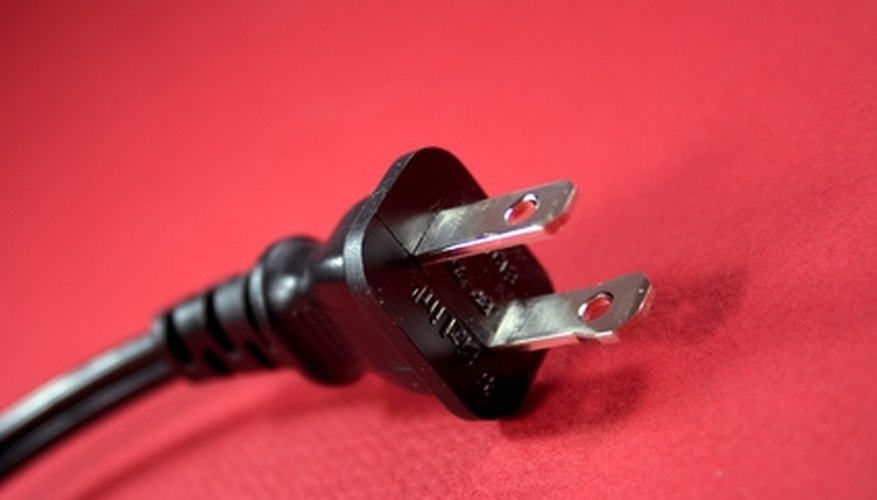
Electric Plug image by JJAVA from Fotolia.com

Grasp the end of your electrical cord that has no plug, and pull it into two strands about 13 inches long.

Strip the plastic covering carefully from each strand with pliers. Continue until about 3 inches of wire are exposed.

Wrap one exposed wire tightly around one end each of the metal rods at least five times.

Wrap approximately 8 inches of duct tape around the wire-wrapped part of each rod to ensure that the wires will not slip.

Cover the entire wire-wrapped area, including the top part of the metal rod, with electrical tape.

Place each metal rod about 8 inches into the ground with 10 to 12 inches of space between them.

Plug the electrical cord into a socket, and be careful not to touch the rods. Wait for worms to come out of the ground.

Unplug the cord and collect the worms.

Tips

This technique works best when the area in use has been recently watered.

There is some debate about whether this method is actually effective. And the shock may significantly shorten the lifespan of the nightcrawlers.

Warnings

As with anything having to do with electricity, be careful. Never touch the rods or the wires when they are plugged in. Never touch or reach between the rods when the cord is plugged in.

Allison Lockwood

Allison Lockwood began writing in 2007. She has been published in the student newspapers of Sarah Lawrence College and Scripps College as well as on the Argentina's Travel Guide website. She is particularly interested in American and…

Sponsored
Gone Outdoors Logo

Explore the outdoors with the best source for fishing, boating, camping, hunting, firearms, electronics, trailers and towing, maintenance and much more.

Property of TechnologyAdvice. © 2026 TechnologyAdvice. All Rights Reserved

Advertiser Disclosure: Some of the products that appear on this site are from companies from which TechnologyAdvice receives compensation. This compensation may impact how and where products appear on this site including, for example, the order in which they appear. TechnologyAdvice does not include all companies or all types of products available in the marketplace.